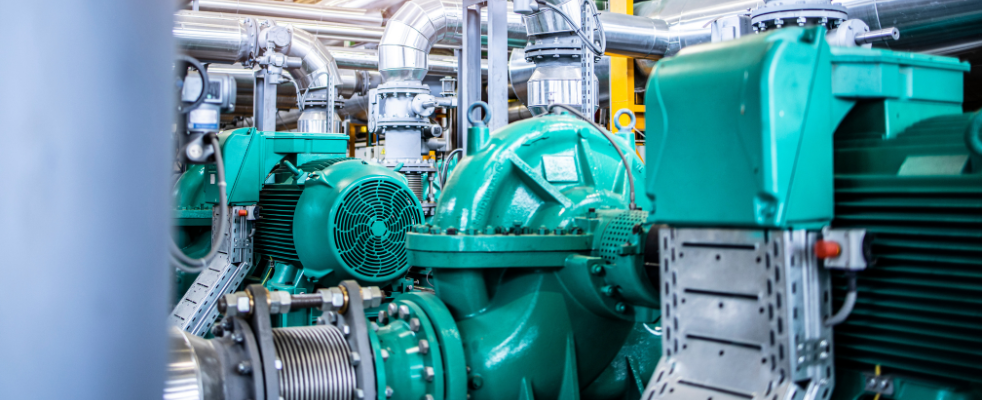
In oil and gas operations, pumps face some of the harshest conditions, including high pressures, abrasive fluids, and extreme temperatures. These environments put equipment to the test, and when pumps fail, the consequences can be costly. Understanding the leading causes of failure is the first step toward preventing downtime and protecting productivity.
Operational Conditions
Daily operation plays a major role in pump longevity. When your pump is pushed beyond its design limits, failure becomes much more likely.
-
Cavitation: Low suction pressure or poor system design can cause vapor bubbles to collapse inside your pump, damaging impellers and creating vibration.
-
Bearing and Seal Wear: Your pump’s seals, packing, and bearings can wear out early due to poor lubrication, contamination, or misalignment.
-
Dry Running: Operating without enough liquid can overheat and damage the internal components of your pump.
-
Startup/Shutdown Stress: Rapid changes in flow or pressure create mechanical shock that adds stress to your pump.
-
Overheating: Running against closed valves or with restricted cooling causes heat buildup that can damage your pump’s components.
Proper Installation
Proper installation lays the foundation for reliable pump performance. If your pump isn’t set up correctly from the start, it’s more likely to experience premature issues.
-
Misalignment: Incorrect mounting or shaft alignment increases vibration and accelerates wear on your pump.
-
Initial lubrication: Using the wrong type of lubricant, introducing contamination, or failing to apply sufficient lubrication during startup can reduce bearing life from day one.
System Design
Even a well-built pump can fail if the system around it is not properly designed.
-
Correct Pump Selection: Match your pump to the right fluid, pressure, and temperature conditions to keep it operating within design limits.
-
Improper Sizing: Pumps that do not match your system’s flow or pressure requirements will operate under strain.
-
Piping Layout and Valve Placement: Poor designs create pressure fluctuations, flow restrictions, and vibration.
-
NPSH Limitations: Insufficient Net Positive Suction Head (NPSH) and suction restrictions can both cause cavitation and reduce efficiency in your pump's ability to supply adequate pressure.
External Environment
Oil and gas applications expose pumps to harsh external factors that can reduce their lifespan.
-
Extreme Temperatures: High temperatures can cause overheating, leading to component wear, seal degradation, or lubricant breakdown. Low temperatures can increase fluids.
-
Corrosive Atmospheres: Exposure to salty air, acidic rain, or chemical vapors in industrial environments can corrode pump components, especially metal parts, leading to rust, pitting, or weakened structural integrity.
-
Dust and Debris: Particulate matter like sand, dust, or dirt can infiltrate pump systems, causing abrasion, clogging, or damage to moving parts such as bearings and seals.
-
Moisture and Humidity: Excessive moisture can lead to corrosion, electrical failures in control systems, or lubricant contamination, reducing pump efficiency and lifespan.
-
Vibration and Seismic Activity: Ground vibrations from nearby machinery, heavy traffic, or seismic events can misalign components, loosen fittings, or cause mechanical fatigue over time.
-
UV Radiation and Weathering: Prolonged exposure to sunlight can degrade non-metal components like seals, gaskets, and coatings, leading to leaks or reduced performance.
-
Biological Factors: In some environments, microbial growth or biofouling (e.g., algae or barnacles in marine settings) can clog or damage pump systems, particularly in water-cooled or submerged pumps.
Protect your pump investment. Our engineers can help you troubleshoot, optimize, and maintain your systems for reliable performance.
How to Maintain Pumps for Oil and Gas Applications
Once your pump is in service, proactive maintenance is key to reducing the risk of failure and extending its life. Best practices include:
-
Condition Monitoring: Use vibration analysis, thermography, and oil analysis to detect problems early.
-
Preventive Maintenance: Replace seals, bearings, and lubricants on schedule to prevent unplanned downtime.
-
Operator Training: Ensure your team understands proper startup, shutdown, and emergency procedures to minimize negligent operations.
-
System Checks: Inspect and maintain supporting components such as piping, valves, and electrical supply, since they all affect your pump’s efficiency.
By focusing on operational conditions, installation and maintenance, system design, and the external environment, oil and gas flow control operators can safeguard their equipment against the industry’s harshest conditions.