
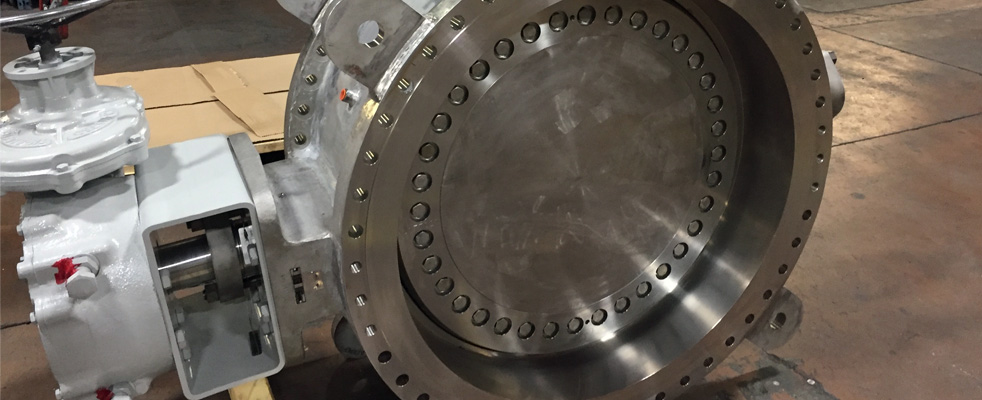
Butterfly valves are essential components used in various industries, providing efficient flow control with a simple yet effective design. Proper maintenance allows their longevity and prevents costly downtime. However, not all butterfly valves require the same level of upkeep—some can be repaired, while others must be replaced when they fail. This guide covers essential maintenance practices and explains how different types of butterfly valves should be maintained to keep your systems running smoothly and efficiently.
Maintenance Tips
Cycle the Valve Regularly
Regular butterfly valve maintenance is crucial to keeping butterfly valves in optimal condition. Even if a valve is not used frequently, it should be cycled at least once a month to prevent sticking or seizing. This simple practice helps provide smooth operation and reduces the risk of unexpected failures.
Relieve System Pressure Before Maintenance
Before performing any maintenance, always relieve system pressure. This step is critical for ensuring safety and preventing damage to the valve and surrounding components.
Removing the Valve from Pipework
If a butterfly valve needs to be removed from the pipeline, follow the reverse order of the installation process. Carefully detach the valve to avoid damage to adjacent piping and components.
Replaceable Components: Seat, Packing, and Bearings
Soft Seat Replacement
Soft seats in butterfly valves wear over time and may need to be replaced to maintain a proper seal. Replacing a seat typically involves removing the stem and disc, pressing out the worn liner, and installing a new one before reassembling the valve.
Packing Replacement
Packing replacement helps maintain a tight seal around the valve stem, preventing leaks. High-performance butterfly valves often allow for packing replacement, ensuring continued operation without requiring full valve replacement.
Bearing Replacement
Bearings support the stem and provide smooth operation. Worn bearings can lead to valve misalignment and inefficiencies. Some high-performance and triple-offset butterfly valves allow for bearing replacement, extending their service life.
Lubricating for Dry Applications
For valves operating in dry applications, such as compressed air systems, regular lubrication of the disc and seat is necessary to extend the valve’s lifespan and maintain smooth operation. Neglecting this step can lead to premature wear and reduced efficiency.
Operational Instructions and Maintenance Considerations
For specific operational instructions and maintenance procedures, always refer to the manufacturer’s user manual or contact the manufacturer directly. Each valve type and application may have unique considerations that impact maintenance requirements.
Types of Butterfly Valves and Maintenance Approaches
Each butterfly valve maintenance procedure varies by valve type, influencing repair and replacement decisions. Below is common butterfly valve types and their typical maintenance requirements.
General Service Butterfly Valves
These valves are typically rubber-seated and, in most cases, are replaced rather than repaired. The cost and effort required to refurbish a general service butterfly valve often makes replacement the more practical option.
Lined Butterfly Valves
Lined butterfly valves, commonly used in corrosive or high-purity applications, are not designed for repair. If a lined valve fails, replacement is the only viable option, as adjusting the packing or replacing soft components is not feasible.
High-Performance Butterfly Valves
High-performance butterfly valves offer more flexibility in maintenance. Some can be repaired, while others may need full replacement depending on their size and condition. Unlike lined valves, these can have their packing and seat replaced, extending their service life.
Triple-Offset Butterfly Valves
Triple-offset butterfly valves are often found in critical applications requiring precise flow control. Their maintenance approach varies based on size and application. While smaller triple-offset valves might be replaced, larger and more critical ones are usually repaired to minimize costs and downtime.
Butterfly Valve Maintenance Checklist
Here’s our butterfly valve maintenance checklist:
✔ Cycle the Valve Regularly: Operate the valve at least once a month, even if not frequently used, to prevent sticking or seizing.
✔ Relieve System Pressure Before Maintenance: Always depressurize the system before performing maintenance—this helps maintain safety and prevent damage.
✔ Removing the Valve from Pipework: Follow the reverse order of installation when removing the valve. Handle carefully to avoid damage to adjacent piping and components.
✔ Inspect and Replace Worn Components: Know which parts—soft seat, packing, and bearings—can be replaced and when it's necessary.
✔ Lubricate for Dry Applications: Apply lubrication to the disc and seat in dry applications (e.g., compressed air systems) to prevent premature wear and maintain optimal performance.
✔ Follow Manufacturer’s Guidelines: Always consult the manufacturer’s manual for specific operational and maintenance instructions.
By implementing a proactive maintenance routine and understanding the specific needs of different butterfly valves, you can maximize their lifespan, maintain efficiency, and prevent unexpected failures. Whether replacing a worn seat or determining whether repair or replacement is the best course of action, proper maintenance is key to ensuring continued performance in your system.